MIKEL OTXOTEKO, Artist and researcher
Born in Donostia in 1981. Mikel Otxoteko carries out artistic research projects located at the intersection between history and experimental anthropology by means of image production. His doctoral thesis Audiovisual Arts and Neo-materialism (UPV-EHU) received an international mention with an invitation from filmmaker Manuel DeLanda as a visiting researcher at the Pratt Institute of Art & Design in New York.
He has developed projects such as Dance & Drill and Algunos cabos sueltos, leading to screenings and exhibitions in venues such as the Musée d’Art Contemporain Les Abattoirs in Toulouse, the Centre del Carme Cultura Contemporánea in Valencia and The Rag Factory, London.
His documentary film, Invierno (2019) was screened at international festivals such as Cinespaña, Toulouse and Zinebi, Bilbao. For his project Aquí hay dragones (Here be dragons), shown at the San Telmo Museum in San Sebastian, he has carried out artistic production residencies on the islands of Saint-Pierre et Miquelon and Puerto Rico supported by the Interdisciplinary Centre for Coastal Studies and the Sea Grant Programme, both of the University of Puerto Rico and the Basque Government.
This website has received support from the Department of Culture and Linguistic Policy of the Basque Government.
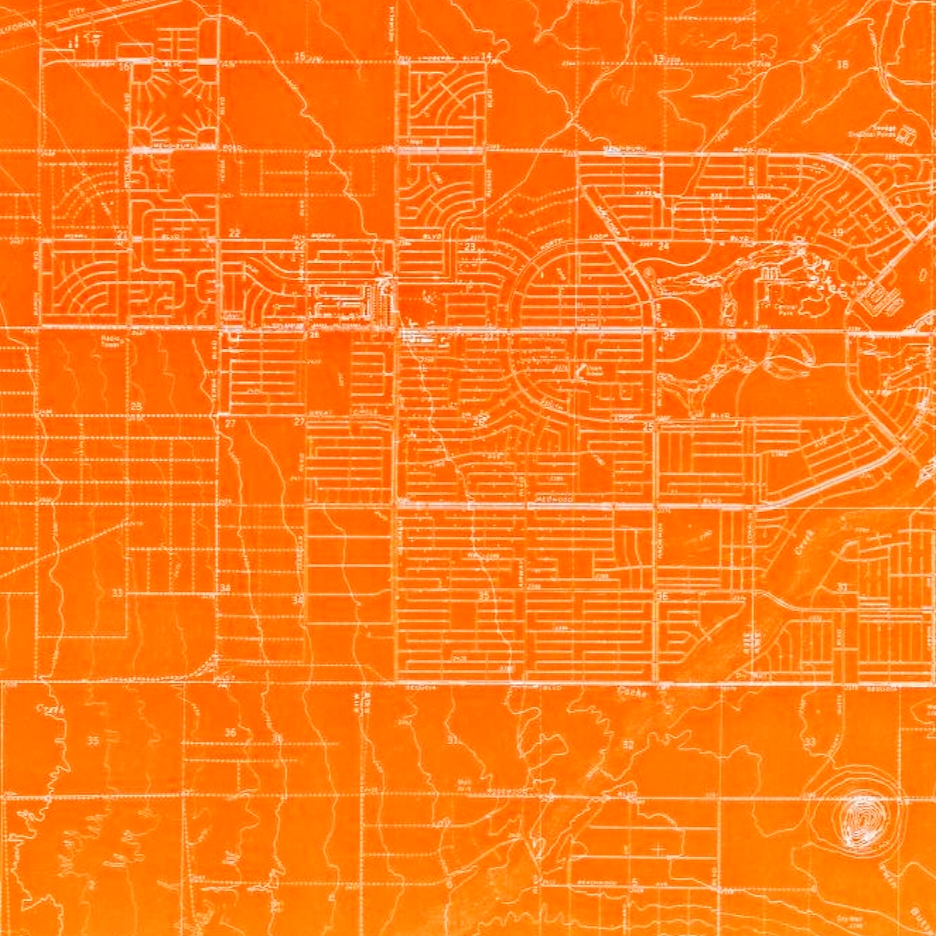
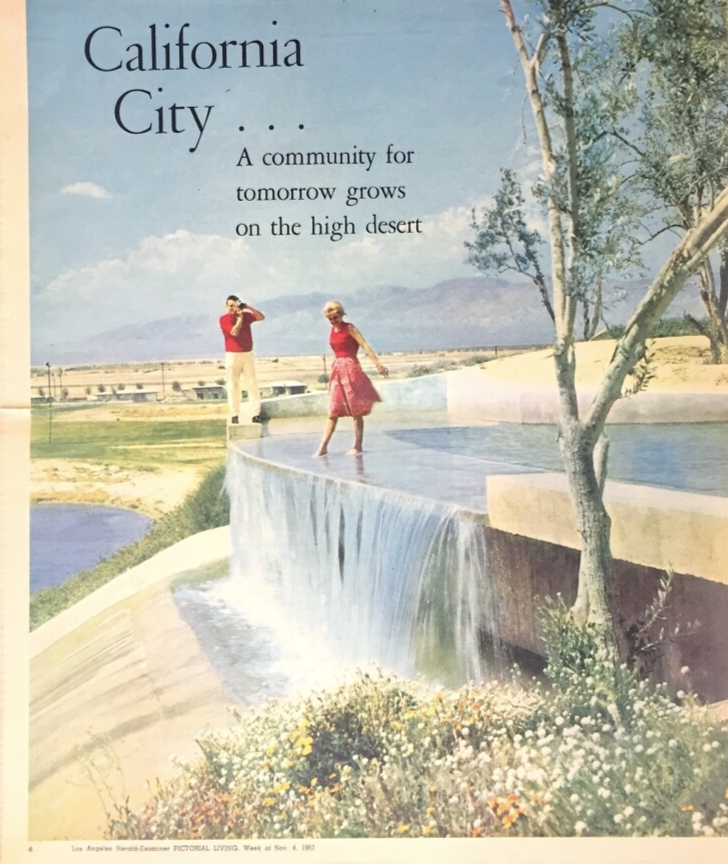
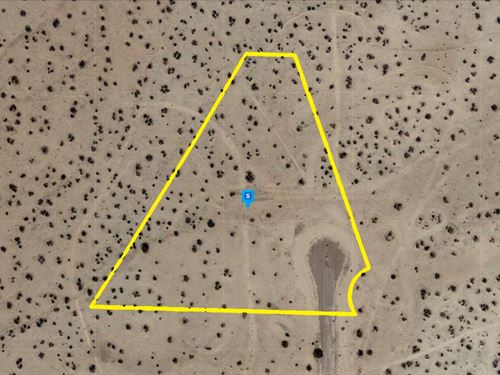
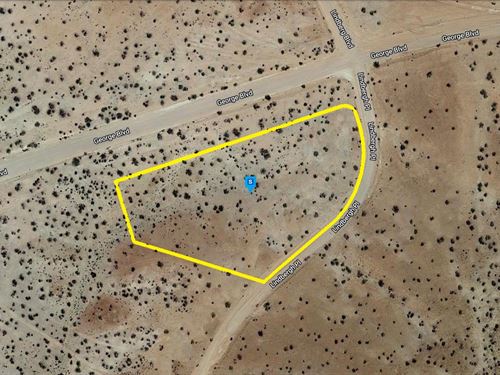
I am currently developing an artistic project focused on California City, a planned city conceived in the late 1950s in the Mojave Desert, built upon land previously inhabited by Native American communities and later exploited for extensive livestock farming, including the ranch owned by Basque immigrant Gregorio Mendiburu. This territory of extreme conditions was transformed through an urban grid designed primarily for real estate speculation rather than for sustaining life.
The project investigates the overlap of ambition, extractivism, and erasure, engaging with the material traces of an impossible city. The work takes shape through a constellation of pieces in progress — video installations, photographic works, and sculptural elements — addressing the landscape as archive, fiction, and a site of critical projection.